
Reflections on the loss of a grandparent
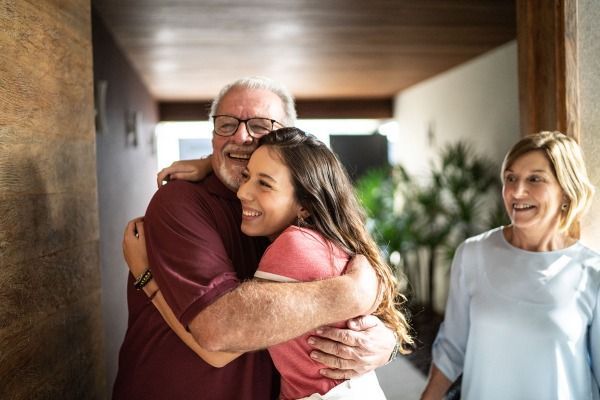
For many of us, the death of a grandparent is the first time we experience the loss of someone close to us. If your grandparent died when you were very young, you might not have clear memories of the time beyond a general sense that your routine was upset and the adults around you were sad. If you were older, you may experience the loss more deeply and personally.

The death of your grandparent affects your entire family, often in different ways. Your parents, aunts and uncles lost a parent, and their loss is different than yours. Perhaps they are facing the new challenge of being the oldest remaining generation of your family. Your siblings and cousins will have had their own unique relationship with your grandparent, and they will grieve differently than you as well. It’s important to try to be sensitive to where other family members are at during this hard time, while you are working through all of it yourself.

Sometimes when an older person dies, well-meaning friends or family might tell us that they “lived a full life” or it was “their time.” While this might make sense from a statistical perspective, logic doesn’t necessarily matter to the heart. Most of the time, we are never ready to lose a loved one. If possible, try to take these comments in the caring spirit in which they were probably meant.

One of the aspects of losing a loved one is coming to terms with the future without them being physically present with you, or a phone call or email away. Special occasions and milestones in your life will now happen without them, but in time, you may create ways to include and honor their memory. This might take the form of a memory table at special event with photographs of your grandparent and others in the family who are no longer physically present. Perhaps you will remember them at the holidays by hanging a favorite ornament on a tree, baking their famous recipe or lighting a candle in their memory.

Eventually, it can be more healing than hurtful to talk about your grandparent. Purposefully sharing memories with other family members at special occasions can be hard at first, while the grief is still sharp. But as time passes, you may find this easier, and shared memories can help bind the remaining generations of a family together.

By duda September 10, 2026
A practical, step-by-step guide walking families through what to do immediately after a death, from the first hours through funeral planning and the estate tasks that follow.
September 3, 2026
When you are considering cremation for your own future plans or those of a loved one, it is important to understand the safeguards that our funeral home has in place to maintain the integrity of the cremation process. A detailed and well-documented process means that families can be assured that the cremated remains returned to them are those of their loved one. At our funeral home, we have a high standard of professional ethics and detailed procedures regarding the cremation process. We have our own on-site crematory, so your loved one will never leave our care. Multiple steps are taken to maintain an individual’s personal identity throughout the process. An identification band is placed on them the moment they are brought into our care. A funeral director and members of the family will review all cremation paperwork prior to cremation. Families have the option to view their loved one before cremation takes place for a final goodbye. When the time comes for cremation, a numbered stainless steel identification tag will be placed with the deceased which stays with them through the cremation process. This information will be entered into our funeral home’s permanent record. Family members have the option to witness the beginning of cremation, or stay for the duration of the process, if desired. After cremation is complete, the stainless steel identification tag will stay with the cremated remains, which will be placed in the urn or container that the family has selected. When it is time to return the remains to the family, we will confirm that the person receiving the remains is authorized to do so, and photocopy their photo ID to further ensure the integrity of the process. With these safeguards in place, you can have confidence that if you choose our funeral home, your loved one will be cared for with dignity and respect, and their personal identity is maintained every step of the way. If you have any questions, please do not hesitate to reach out to us. We are here to help.
By Funeral Home July 23, 2026
A practical checklist of essential end-of-life legal, financial, and final wishes documents every family should organize to bring peace of mind.
June 22, 2026
What are the first steps when a loved one passes away? The first step is to notify the proper authorities. If your loved one passes at home, you’ll need to contact emergency services. If the passing occurs in a hospital or care facility, staff will guide you through the next steps. Once this has been done, you can contact a funeral home. Our team is available to help you begin arrangements and coordinate transportation of your loved one into our care. Do I need to plan the funeral right away? While some decisions need to be made relatively quickly, you do not have to finalize every detail immediately. We will help you prioritize what needs to be handled first and give you time to consider the more personal elements of the service. What types of funeral services are available? There are several options available depending on your preferences, beliefs, and budget. These may include: Traditional funeral services with a viewing and burial Memorial services (held after burial or cremation) Graveside services Celebration of life Cremation services with or without a formal ceremony We are here to help you create a meaningful service that reflects your loved one’s life. How much does a funeral cost? Funeral costs can vary widely depending on the services and options selected. Factors that may influence cost include: Burial or cremation choice Casket or urn selection Venue and staffing Transportation Printed materials and flowers We are committed to transparency and will walk you through all options to help you make decisions that align with your needs and budget. Can I personalize the service? Absolutely. Personalization is one of the most meaningful parts of a funeral service. Families often include: Favorite music or readings Photo displays or memory tables Video tributes Special themes or colors Cultural or religious traditions Our goal is to help you create a service that truly reflects your loved one’s personality and legacy. What should I bring to the arrangement meeting? It’s helpful to bring: A recent photo of your loved one Clothing for burial or cremation Personal information (full name, date of birth, Social Security number, etc.) Military discharge papers (if applicable) Preplanning documents (if arrangements were made in advance) Don’t worry if you don’t have everything—we can guide you through what’s needed. What is preplanning and is it necessary? Preplanning allows individuals to make their own funeral arrangements in advance. While it is not required, it can ease the burden on loved ones and ensure that personal wishes are honored. Many families find comfort in knowing these decisions have already been made. What happens after the service? After the service, we continue to support families by: Assisting with necessary paperwork Providing grief resources Helping coordinate burial or cremation follow-up Offering guidance on memorialization options Our care does not end after the service—we are here for you in the days and months that follow. We’re Here to Help Planning a funeral is never easy, but you don’t have to do it alone. Our compassionate team is here to answer your questions, guide you through each step, and help you create a meaningful tribute for your loved one. If you have additional questions or would like to begin planning, please don’t hesitate to reach out.
More Posts »

More Resources & Support